

Blog
From Ten Machines to Thirty and Orders Beyond Kandy
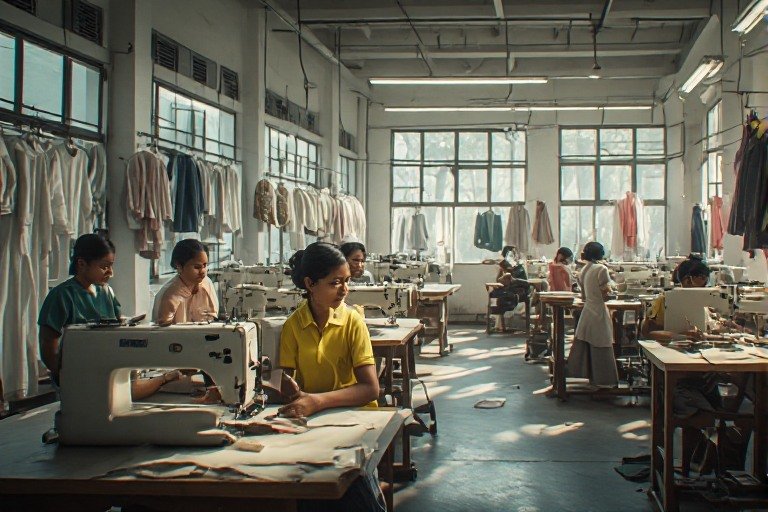
The second room smells of fresh paint and possibility. Thirty machines hum in two rows, the new members wear their trainee badges with pride, and the order board on the wall lists contracts in Colombo, a city most members had only visited to change buses. Eight months from a rented room with borrowed machines to this. The treasurer has finally ordered that second cash box.
How growth happened
Growth came in three waves. First the August market day proved the products and the profits, and the group banked enough to buy eight machines outright. Then the school order for eighty pad packs turned into a district level enquiry covering six schools, which required weekend shifts and four new members recruited from the waiting list. Then a Colombo pharmacy chain, hearing about the products through our network, placed a trial order for five hundred packs, paid upfront, which funded the second room’s deposit and the remaining machines.
Each wave was absorbed carefully. New members train for a month before touching customer work, paired with experienced buddies. Quality inspection tightened rather than loosened, with Mrs. Jayasuriya promoted from trainer to quality director, a title she accepted with the words somebody has to be the villain. Rejection rates stayed under two percent throughout, a figure the group quotes to buyers the way athletes quote records.
Membership now stands at twenty eight, including three male members handling cutting, logistics and the delivery van route. The original rulebook gained two new pages covering shift discipline and apprentice progression, debated fiercely at a meeting that ran long and ended, as all good meetings do, with tea and unanimous votes.
The Colombo contract
The pharmacy chain order deserves detail because it changed everything. Five hundred packs monthly, standing order, proper purchase orders, payment within fourteen days, quality audits quarterly. For a group that started with borrowed machines, these paragraphs of commercial normality represent a summit climbed. The first audit passed with one minor note about carton labelling, fixed the same day with printed labels the youngest member designed overnight.
Payment discipline transformed the group’s finances. Steady monthly income covers rent, salaries and loan repayments with surplus for the group fund, while market days and linen orders provide the variable upside. The enterprise loan is now scheduled for full repayment a full year early, and the celebration planning committee, self appointed, has begun work of unknown scope and certain enthusiasm.
Eight months of maker growth
| Month | Milestone |
|---|---|
| February | 12 members, 10 borrowed machines |
| April | First paid uniform order delivered |
| August | Market day sellout, 8 machines bought |
| September | District school enquiry, 4 members join |
| October | Colombo contract, 30 machines, 28 members |
What the members say now
Conversations in the workroom have changed. Talk of survival has given way to talk of expansion, training the next intake, and whether the group should attempt export quality packaging. One member bought her first refrigerator and describes cold water on demand as the peak of civilisation. Another paid her son’s Advanced Level extra class fees a year ahead. The treasurer, guardian of two cash boxes, speaks of the group fund the way central bankers speak of reserves.
New members describe the joining process as harder than expected and better than hoped. A month of training, a quality test, a probation period with buddy support, then full membership with voting rights. Standards protect everyone’s income, the chair explains to each intake, and nobody has ever argued, because the full members’ pay slips are the best recruitment posters.
The road to November and beyond
Readers who follow our November story about what Resources For All really means will recognise this group in full flower. That piece tells the philosophy. This one tells the journey. Together they show what patient enterprise support builds when the makers themselves lead.
Training the intake the group way
New members describe joining as harder than expected and better than hoped, and the process deserves detail. A full month of training before touching customer work. Straight seams until the trainer nods. The rulebook read aloud and discussed, not just signed. A quality test at month’s end, judged to the same standard as full members, with honest feedback and a second chance for those who need it.
Then probation with a buddy, real orders under supervision, and full membership with voting rights only when the buddy and the quality director agree. It sounds strict because it is, and the members defend it fiercely. Standards protect everyone’s income, and the waiting list proves the strictness attracts rather than repels. Four trainees completed the process this quarter. All four passed. All four cried a little. So did the chair.
We started with borrowed machines and a whistle nobody needed. Now buyers come to us. Come correctly, with proper orders, and we will deliver correctly.
Group chair, October review
Wholesale buyers, school welfare programmes and pharmacies seeking reliable supply write to info@cjfsrilanka.org with the subject Makers. The order board has space, the machines are humming, and the second cash box has arrived.